Interview: How one word can make or break your career
Recently, writer, speaker and musician Kate Mueser invited me to be interviewed for her newsletter, Offbeat.
Kate explores the intersection of words and music, so we ended up talking about everything from the power of language in coaching and leadership, to what makes a great lyric, my career in the music industry, and why so many women second-guess themselves.
Thank you, Kate, for such thoughtful questions and for giving me the opportunity to share more of my story.
Kate: What role do words play in your work as a coach to women in the music industry?
Sarah: “Words matter a lot in coaching. The questions I ask are intentional and usually start with ‘what’ or ‘how’ rather than ‘why’ or ‘do’. Open-ended questions create space for people to think differently and reach their own insights.
A big part of my work is active listening. I reflect my clients’ words back to them so they can hear their own thinking, sometimes in a way they haven’t heard before. Coaching isn’t a casual chat with a friend. I’m very deliberate about the words I use and the space I hold.”
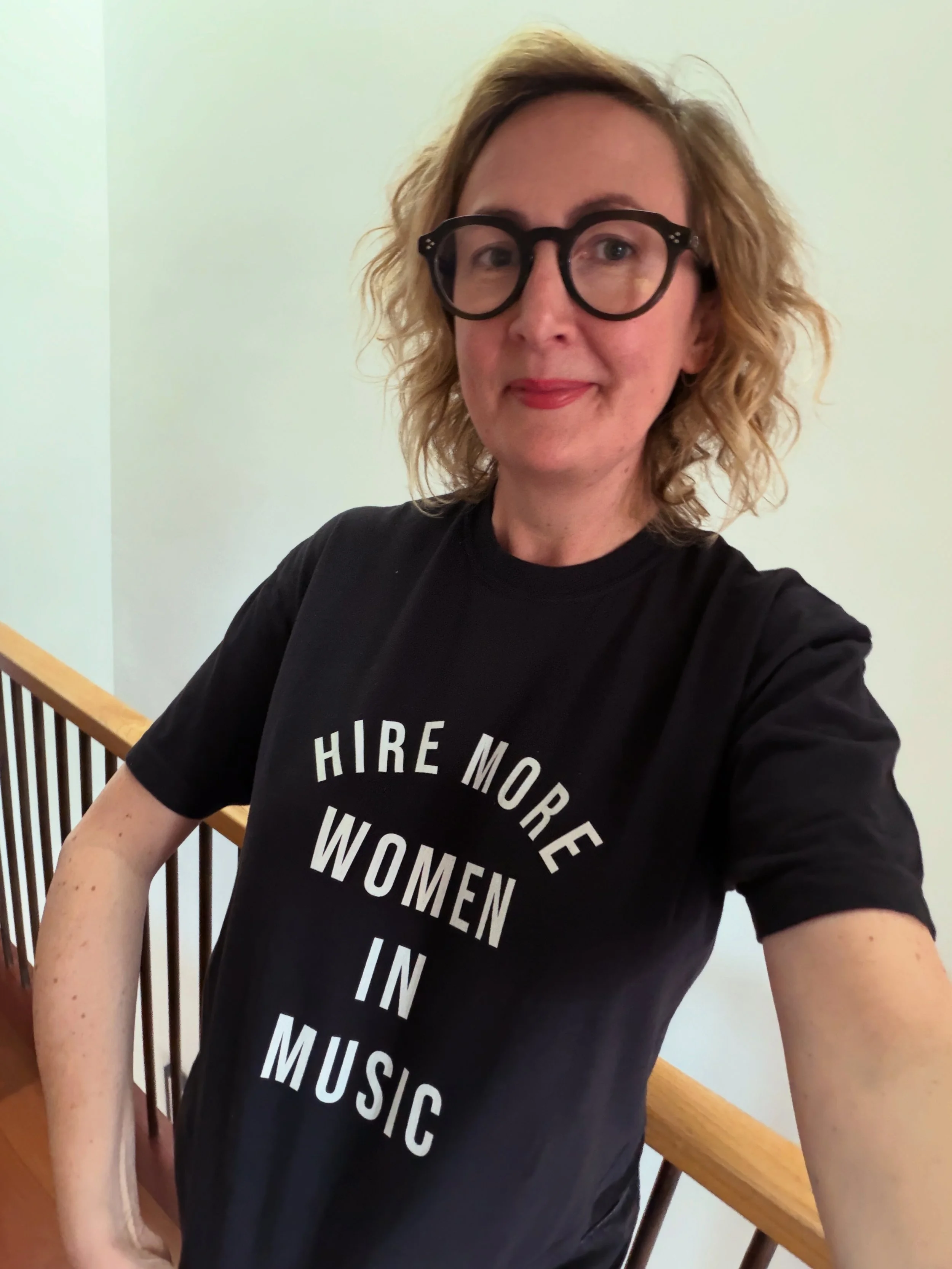
Words can help someone feel seen, supported, and capable. I use mine to encourage, challenge, and champion the women I work with. My role isn’t to judge or make someone feel small. It’s to create a safe, supportive space where they can build confidence, explore possibilities, and move forward.
Where do words and music each have their limitations?
“I don’t personally believe that words or music have limitations. There are endless ways to express yourself and endless ways to create. Artists and writers are constantly innovating, experimenting, and pushing boundaries.
If there is a limitation, I think it’s less about the words or the music themselves and more about how willing people are to listen. Sometimes we bring assumptions or expectations that stop us from really hearing something new or different.
I wish more people approached music, words, and art with curiosity and openness. When they do, the possibilities feel limitless.”
How has moving from the UK to the US impacted your relationship with words?
“I have a journalism degree and have always loved the English language. Moving from the UK to the US has been fascinating, because I’ve had to adjust how I use language so that I’m actually understood.
In the UK, it’s ‘toilet’. Here, it’s ‘restroom’. We say ‘rubbish’, here it’s ‘trash’. We say ‘coriander’, here it’s ‘cilantro’. And even pronunciation can trip me up. If I say water with a crisp ’t’, I’m often met with blank faces, so I’ve learned to soften it to ‘wah-der’ to be understood.
It’s been interesting to see how much language shapes connection. My words and my accent can open doors, spark curiosity, and create connection; but at times they can also be misunderstood or even limit me.
Living here has reminded me how powerful words are, and how much meaning lives in the way we say them.”
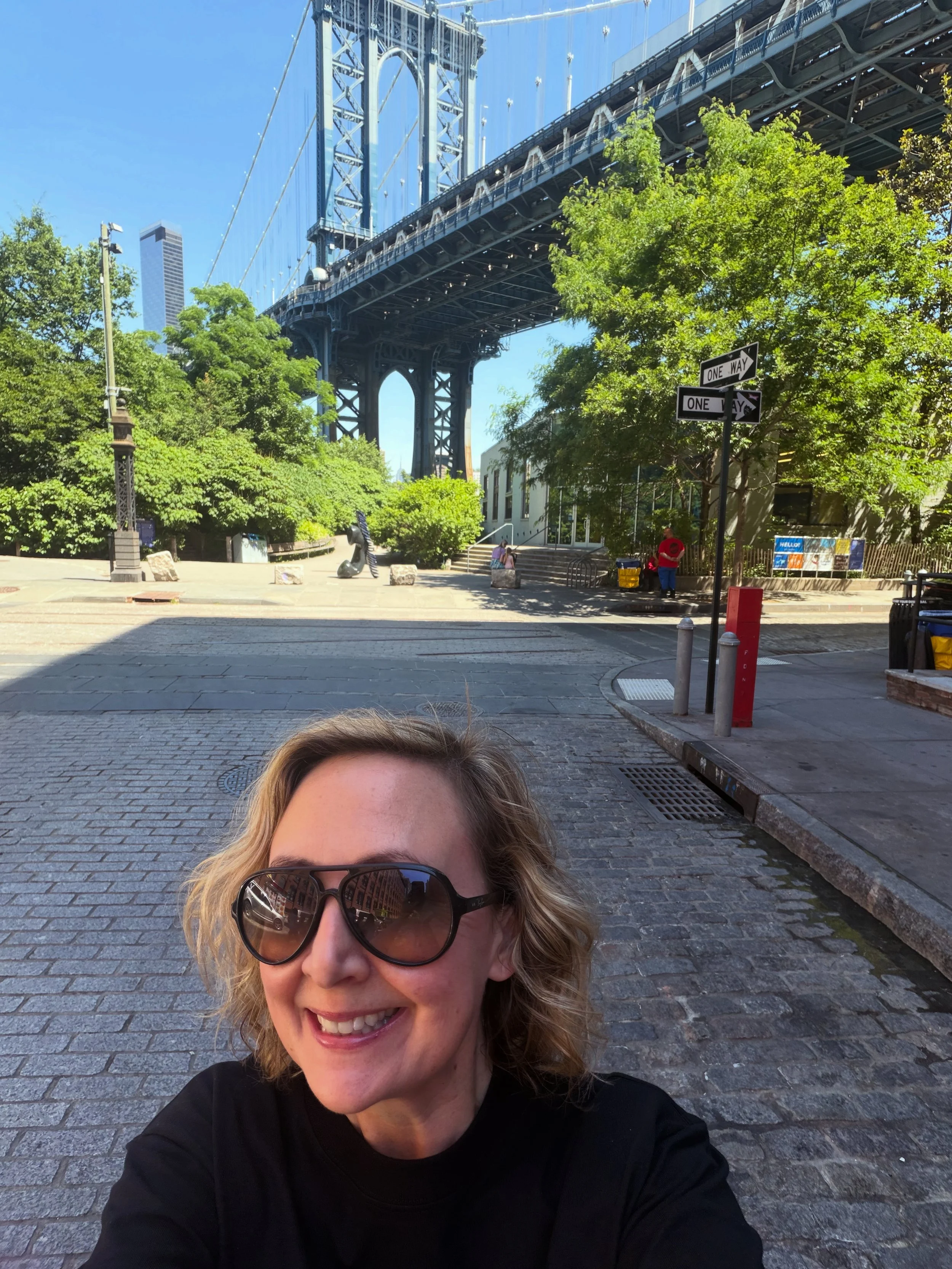
Me hanging out in Brooklyn
What’s the recipe for perfect song lyrics?
“I don’t think there’s a single formula for great lyrics. The songs that hit hardest are the ones that feel raw and honest. Where you can tell the artist is telling their truth without filtering it.
A great example is Sam Fender. He writes about where he grew up in North East England; the people, the politics, the reality of life there. I’ve spent a lot of time in that part of the world, and his lyrics feel real and grounded in a way that really connects.
And then there are the songs about heartbreak. It’s one of the most universal human experiences, and when artists write about it openly, it can be incredibly powerful. Lily Allen’s recent album about heartbreak and betrayal is a perfect example of that kind of honesty.
For me, the “perfect” lyric isn’t about clever wordplay. It’s about truth, vulnerability, and making someone feel seen.”

Sam Fender
You worked for years inside the music industry, often as the only woman. How can words make or break the success of a song or album?
“From my experience working inside major record labels, words have a huge impact on the success of a song or album. The way someone in A&R, marketing, or leadership talks about a project can directly influence how much belief, investment, and momentum it gets. When the right people champion an artist with conviction, it can change everything.
On the flip side, a single negative review from an influential journalist or publication can seriously affect an artist’s confidence and public perception. Words can amplify someone’s career or make them feel invisible.
Words also matter creatively. When the lyrics and the artist don’t feel aligned, it’s hard for a song to land. Sometimes a great song is written by a brilliant songwriter, but if it doesn’t feel authentic to the artist performing it, the connection isn’t there. And when that connection is missing, even the best song can fail to reach its potential.
So yes, words really do have power - in the studio, in the boardroom, and in the world outside it.”
Thank you Kate Mueser for the interview. You can follow Kate here.