IMPOSTER SYNDROME: LET’S TALK ABOUT IT HONESTLY
Why imposter syndrome shows up when you’re doing well.
Have you ever walked into a room and wondered whether you really belonged there?
Imposter syndrome comes up a lot in my coaching work.
When I ask clients about it, the responses are consistent:
“Leading big meetings and running larger campaigns, I feel self doubt and think I’m incapable.”
“Typing and retyping emails. Going to speak on calls and then stopping myself.”
“Not pitching for acts because people will think I’m not senior enough.”

It tends to crop up when you’re leading, presenting, negotiating pay, becoming the boss, or stepping into something bigger.
So much of this comes back to belonging.
Being in meetings and thinking what you have to say isn’t impressive enough.
Being backstage and feeling like you don’t belong.
And this is something I hear a lot:
“I don’t feel successful or good at my job, even though others seem to think I am.”
That gap between what you’re capable of and how you feel inside it is often where imposter syndrome lives.
Research backs this up. Around 75% of women in leadership and high responsibility roles, experience imposter type feelings at some point.
From what I see as an executive coach, imposter syndrome often flares up around growth, change, visibility and power. Especially in an industry where bias still exists, pay often isn’t fair, and women are talked over or overlooked.
That context matters.
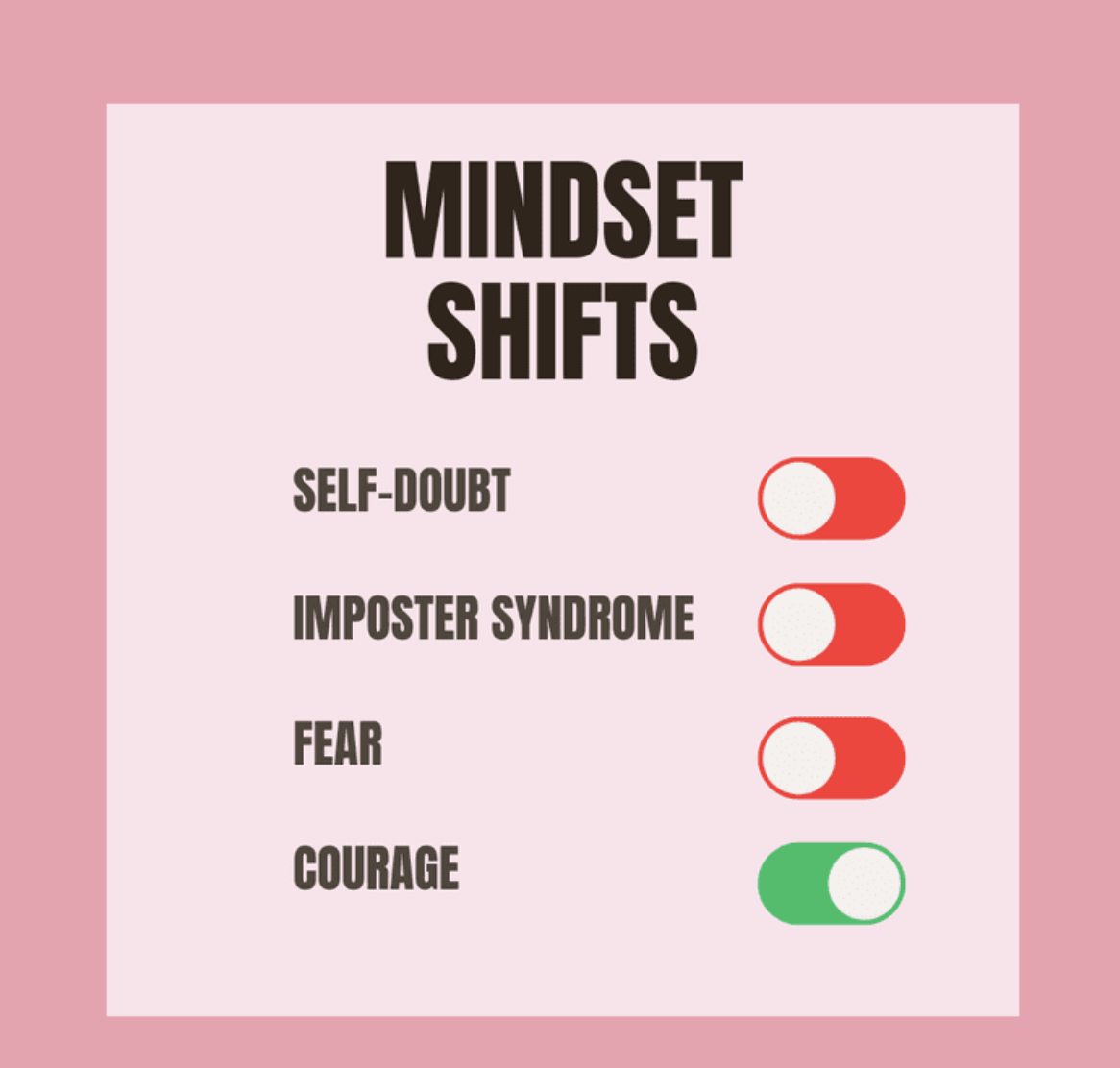
Imposter syndrome doesn’t have to run your career in music.
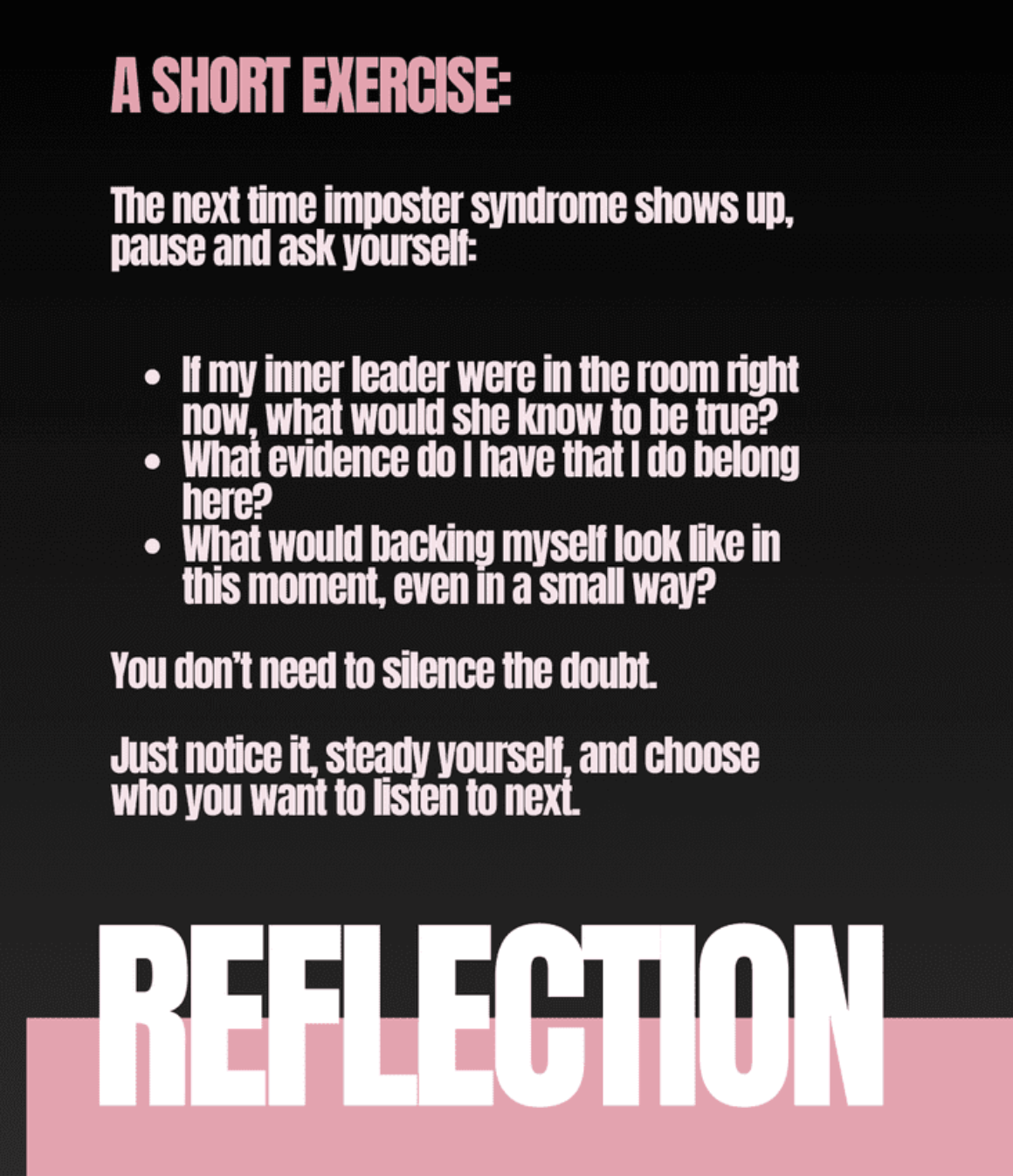
With the right support, women learn to recognise it, pause, and stop letting self doubt quietly dictate their decisions.
One client put it like this:
“Since working with Sarah, my confidence has improved and I feel more resilient. I also care less about how others view me, which in the past was paralysing.
Sarah helped me see myself beyond my insecurities. Working with her felt like a reminder of my truth.”
If any of this rings true, it’s not just you.
I see imposter syndrome most when women are doing well and being asked to step up.
Not because they can’t do it, but because the stakes feel higher.
And the good news is, with the right support, it doesn’t have to be the thing making the decisions.
Always in your corner,
Sarah
Want support with this?
If imposter syndrome is something you’re dealing with and you’d like to work through it with a coach who understands the music industry, I’d love to talk.
Coaching creates space to slow things down, untangle what’s really going on, and help you trust yourself again when the noise gets loud.
You can book a complimentary chat with me here to explore whether working together feels right.